How to Choose the Right Workwear Fabric
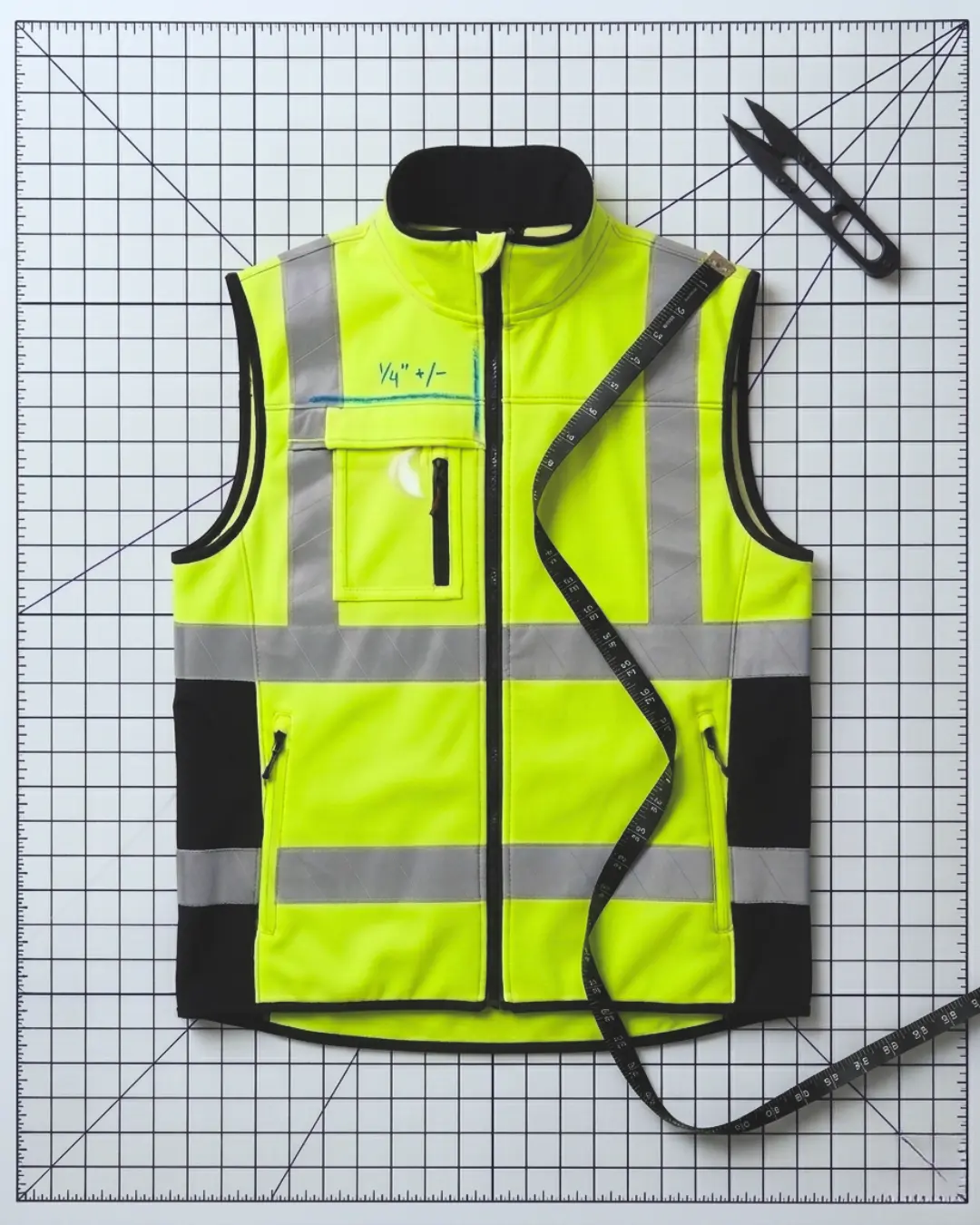
Choosing the right workwear fabric is the single biggest decision behind a uniform program that lasts. The wrong material frays, fades and fails inspection within months; the right one protects your workers and your brand for years. This guide walks through the factors that matter most when selecting durable workwear material for industrial uniforms, coveralls and safety apparel.
1. Understand GSM (fabric weight)
GSM - grams per square metre - is the quickest indicator of a fabric's substance. Lightweight shirting sits around 120–160 GSM, while rugged workwear twills and canvas typically range from 240 to 340 GSM. Heavier fabric resists abrasion and tearing but trades off breathability, so the right weight depends on the work environment.
- Light duty (offices, hospitality): 140–200 GSM poly-cotton.
- General industrial: 210–260 GSM cotton drill or twill.
- Heavy duty (welding, mining, mechanics): 280–340 GSM canvas or flame-resistant blends.
2. Fibre and blend
Pure cotton is breathable and comfortable but wrinkles and shrinks. Polyester adds strength, colour retention and quick drying. Most quality workwear uses a poly-cotton blend (commonly 65/35 or 80/20) to balance comfort with durability. For specialised roles, consider flame-resistant, anti-static or high-visibility treated fabrics.
3. Weave and construction
A tighter weave lasts longer. Twill weaves (like drill and gabardine) offer a diagonal rib that hides soiling and resists abrasion, which is why they dominate industrial workwear. Ripstop weaves add a reinforcing grid that stops small tears from spreading.
4. Finishes that extend garment life
Finishing is where good fabric becomes great. Look for pre-shrinking (sanforising), colourfast dyeing, soil-release and, where needed, water-repellent or flame-retardant finishes. These determine how the garment looks after 50 industrial washes - not just on day one.
5. Test before you commit
Always request a fabric sample and, ideally, a pre-production sample garment. Wash it, stretch it and check the seams. A reputable manufacturer will share fabric specifications and certifications such as OEKO-TEX® so you know exactly what you are buying.
6. Match the fabric to climate and season
A fabric that performs in a northern European winter will exhaust workers in a Gulf summer. For hot environments, favour lighter GSM, higher cotton content and moisture-wicking finishes; for cold or wet climates, look at brushed twills, softshell layering and water-repellent treatments. Many uniform programs run a summer and a winter variant of the same garment, so workers stay comfortable year-round without the program losing its visual identity.
7. Plan for branding and decoration
Workwear is a moving billboard, so check how the fabric takes your branding before committing. Tightly woven twills hold embroidery cleanly, while performance knits often suit heat transfer or sublimation better. Dark, colourfast fabric keeps logos legible after repeated industrial laundering - ask your manufacturer to wash-test a decorated swatch, not just the plain fabric.
8. Judge cost per wear, not price per unit
The cheapest garment is rarely the cheapest program. A shirt that costs 20% less but fails after 25 washes instead of 50 doubles your replacement rate - and adds the hidden costs of reordering, redistribution and downtime. Divide the unit price by the realistic number of wears in your environment and compare fabrics on that figure. Heavier, better-finished fabric usually wins on cost per wear.
9. Set a care and laundering standard
Even the right fabric fails under the wrong wash program. Agree care instructions with your manufacturer up front - wash temperature, drying method and any restrictions on bleach or softeners - and make sure they appear on the care label. If garments will be industrially laundered, say so at the sampling stage so fabric, threads and trims can all be specified to survive it.
At Mesh Apparel we help brands match the right fabric to each role, source certified materials, and produce workwear that survives the job. If you are planning a uniform program, our team can recommend fabrics and send samples for your approval.