MOQs & Lead Times Explained: A Buyer's Guide to Apparel Production
Two questions come up in every first conversation with an apparel manufacturer: what is the minimum order quantity, and how long will production take? Both answers depend on more variables than most buyers expect. This guide walks through how MOQs are set, how lead times break down stage by stage, and how to plan a programme that does not blow your launch window.
1. What MOQ actually means
Minimum Order Quantity is the smallest order a factory will accept and still produce profitably. It is rarely a single number - it is layered across the fabric mill, the trim suppliers, and the cut-make-trim (CMT) line that stitches the garment together.
- Fabric MOQ: mills typically dye in lots of 300–1,000 metres per colour. Smaller dye lots cost more per metre because the mill cannot fill the vat efficiently.
- Trim MOQ: labels, buttons, zippers and hangtags usually come in lots of 500–5,000 pieces depending on whether the trim is stock or custom.
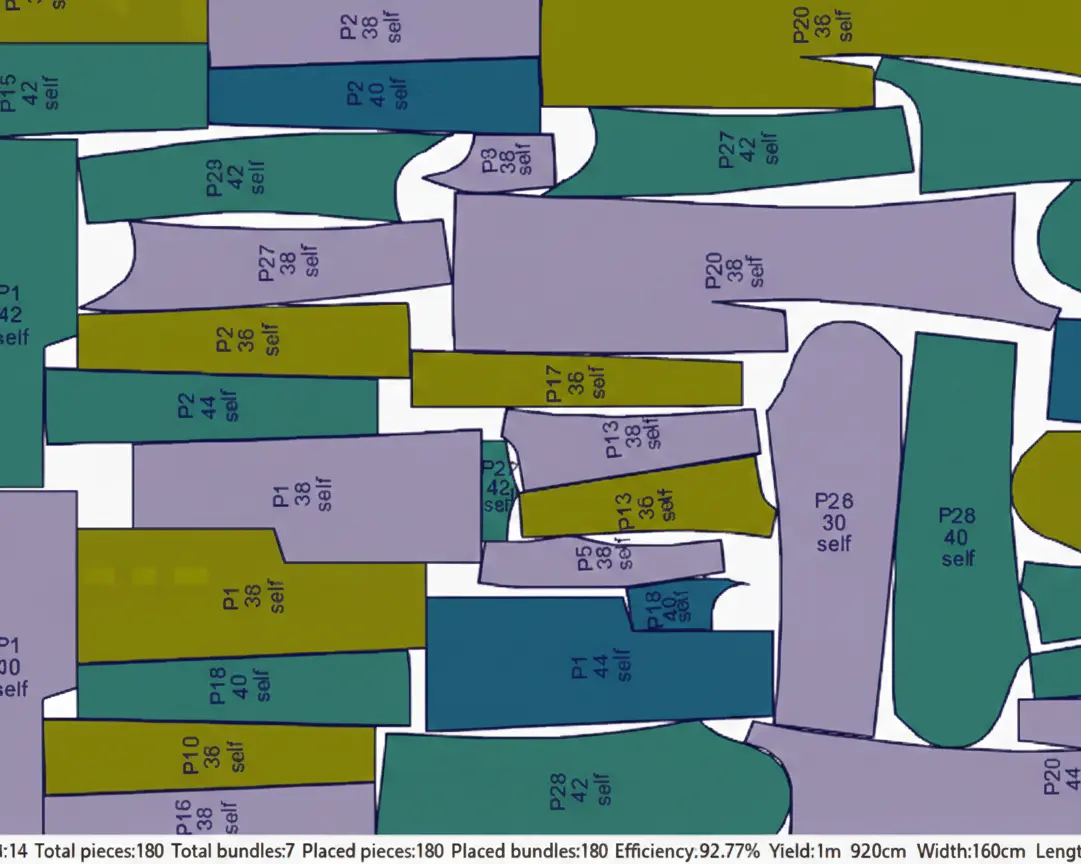
- Stitching MOQ: the line itself wants enough quantity to amortise pattern-making, marker-making and machine setup. Below that, the per-unit cost climbs sharply.
When a manufacturer quotes "MOQ 300 pieces per colour, 600 pieces per style", that number is usually the lowest of the three tiers above, not an arbitrary policy.
2. Lead time, broken down
Lead time is the calendar from order confirmation to goods leaving the factory. For a typical knit programme, the breakdown looks like this:
- Sampling: 10–15 days for the first physical sample, then 5–10 days per revision.
- Fabric & trim sourcing: 20–35 days after PO confirmation. Custom dyed fabric sits at the long end; stock fabric is faster.
- Cutting & stitching: 15–25 days depending on quantity and complexity (printing, embroidery and washing add time).
- Finishing & quality control: 5–10 days for trimming, ironing, folding, polybagging and inline + final inspections.
- Buffer: a sensible programme adds 7–14 days of contingency for re-cut, re-sew or carton repacking.
That puts a typical first-time programme around 75–110 days from PO to ex-factory. Repeat orders with the same fabric and trims already nominated come in faster, often 45–60 days.
3. Sampling: where time is won or lost
Sampling looks slow but it is the cheapest stage to fix mistakes. Most launches that blow lead time do so in sampling, not production. Approve fit, fabric weight, and bulk colour standards before issuing the bulk PO - never in parallel.
Useful sample milestones:
- Proto sample: first pattern in available similar fabric. Used to approve construction and silhouette.
- Fit sample: in target fabric, graded across the size run. Approve here before progressing.
- PP (pre-production) sample: in correct fabric, correct trims, correct colour. This is the contractual reference for bulk.
- Size set: one of each size from the bulk run. Caught here, a grading error is free to fix; caught later, it is a re-cut.
4. How to lower an MOQ without paying for it
If your programme is below the manufacturer's stated MOQ, there are usually three honest ways to make the math work:
- Use stock fabric. Stock greige and stock-dyed colours have no fabric MOQ - you pay per metre from inventory. Selection is narrower, but the savings on minimums are real.
- Consolidate styles on one fabric. Three styles in the same fabric and colour can share a single dye lot, hitting the fabric MOQ jointly.
- Combine sizes/colours into one cut. Marker efficiency improves and stitching setup amortises across the larger combined run.
5. What to ask before you commit
- What is the MOQ per style, per colour, per size break?
- Are fabric and trim MOQs included in that number, or separate?
- What is the typical lead time for this category in your factory right now (not on paper)?
- How many sample rounds are included before charges apply?
- What is the policy on shrinkage allowance and re-cut quantities?
- What inspection points are included (AQL standard, inline checks, final pre-shipment)?
Plan early, sample tight
Most missed delivery dates trace back to two things: starting production calendars too late, and approving samples too quickly. A clear PO, locked tech pack and disciplined sampling cadence will save more days than chasing the factory for status updates. The MOQ and lead time you are quoted are a starting point - they are negotiable if you bring the right structure to the table.